
Timeless Interior Design: Crafting Purposeful Environments

Creating a home that resonates with your personality while serving practical needs can be a daunting task. Timeless interior design is not just about aesthetics; it’s about crafting environments that are functional, comfortable, and reflective of who you are. In this blog post, we will explore the principles of timeless interior design, practical tips for implementation, and how to create spaces that stand the test of time.
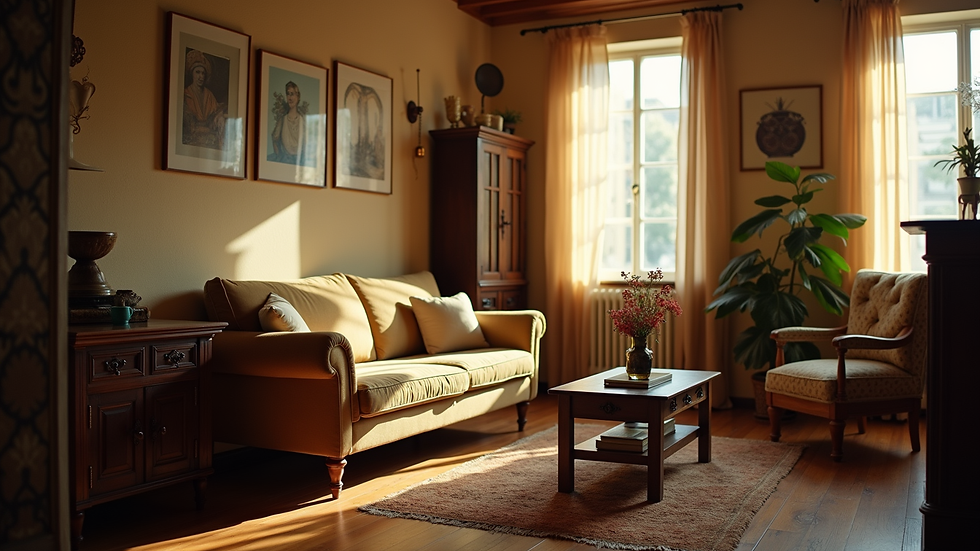
Understanding Timeless Interior Design
Timeless interior design transcends trends. It focuses on creating spaces that remain appealing and functional over the years. Here are some key characteristics of timeless design:
Simplicity: Clean lines and uncluttered spaces create a sense of calm.
Quality Materials: Investing in high-quality materials ensures durability and longevity.
Neutral Color Palettes: Neutral colors provide a versatile backdrop that can be easily updated with accessories.
Functional Layouts: Spaces should be designed for how you live, promoting ease of movement and usability.
The Importance of Purposeful Design
Purposeful design means that every element in your space serves a function. This approach not only enhances the aesthetic appeal but also improves the overall experience of the environment. Here are some ways to ensure your design is purposeful:
Assess Your Needs: Consider how you use each space. Do you need a home office, a play area, or a quiet reading nook?
Choose Multi-Functional Furniture: Opt for pieces that serve more than one purpose, such as a sofa bed or an ottoman with storage.
Create Zones: Use furniture placement and rugs to define different areas within a larger space, making it more functional.
Key Elements of Timeless Interior Design
Color Schemes
Color plays a crucial role in setting the mood of a space. Timeless designs often incorporate:
Neutral Base Colors: Whites, beiges, and grays create a serene backdrop.
Accent Colors: Use bolder colors sparingly in accessories, artwork, or accent walls to add personality without overwhelming the space.
Furniture Selection
When selecting furniture, consider the following:
Classic Styles: Choose pieces with classic silhouettes that won’t go out of style.
Quality Over Quantity: Invest in fewer, high-quality items rather than filling your space with cheaper, trend-driven pieces.
Textures and Materials
Incorporating various textures adds depth and interest to your design. Consider:
Natural Materials: Wood, stone, and metal bring warmth and authenticity to a space.
Layering Textures: Combine different fabrics, such as linen, wool, and leather, to create a cozy atmosphere.
Lighting
Lighting can dramatically change the feel of a room. Aim for:
Natural Light: Maximize natural light with large windows and light-colored window treatments.
Layered Lighting: Use a combination of ambient, task, and accent lighting to create a well-lit and inviting space.
Practical Tips for Implementing Timeless Design
Start with a Plan
Before diving into decorating, take the time to plan your space. Here’s how:
Create a Mood Board: Gather images, colors, and materials that inspire you.
Measure Your Space: Ensure your furniture fits well within your layout.
Set a Budget: Determine how much you’re willing to spend on each element.
Focus on Functionality
Design with purpose by considering how you will use each space. For example:
Living Room: Arrange seating to encourage conversation and comfort.
Kitchen: Ensure that the layout promotes efficiency, with easy access to cooking and cleaning areas.
Personal Touches
Incorporate personal elements that reflect your style and history. This could include:
Artwork: Display pieces that resonate with you, whether they are family photos or original art.
Travel Souvenirs: Showcase items collected from your travels to add character and tell your story.
Creating a Cohesive Look
Consistency in Design Elements
To achieve a cohesive look, maintain consistency in design elements throughout your home. This includes:
Color Palette: Use a consistent color scheme across rooms to create flow.
Materials: Stick to a few key materials to unify your design.
Transitioning Between Spaces
When moving from one room to another, consider how the spaces connect. Use:
Transitional Elements: Incorporate similar colors or materials to create a seamless transition.
Visual Pathways: Ensure that sightlines between rooms are pleasing and intentional.
Conclusion
Timeless interior design is about creating spaces that are not only beautiful but also functional and reflective of your personality. By focusing on quality materials, purposeful layouts, and cohesive design elements, you can craft environments that stand the test of time. Remember, the goal is to create a home that feels comfortable and inviting, allowing you to enjoy every moment spent within its walls.
As you embark on your design journey, keep these principles in mind, and don’t hesitate to infuse your unique style into every corner of your home. Happy decorating!
Comments